

The Symphony of Design and Modular Comfort: Exploring the Chenille Color-Block Sofa and Pine Coffee Table
In the realm of interior design, the living room stands as the undisputed epicenter of the home. It is the stage where daily life unfolds—where morning coffees are sipped, evening conversations flourish, and solitary moments of relaxation are cherished. Therefore, the furniture chosen for this sacred space must transcend mere utility; it must be a statement of personal style, a sanctuary of comfort, and a testament to thoughtful design. The focal point of any living room is invariably the sofa, followed closely by the coffee table that anchors the seating arrangement. Today, we delve deep into a specific, captivating combination: the modular chenille color-block sofa paired with a natural pine coffee table. With its bold black, white, and yellow color palette, high-resilience foam and duck-down cushioning, and versatile modular flexibility, this ensemble offers a masterclass in contemporary living. This article will explore the intricate details, material science, spatial dynamics, and aesthetic philosophy behind this remarkable furniture pairing, aiming to provide a comprehensive guide for homeowners and design enthusiasts alike.
1. The Visual Symphony – The Psychology of the Black, White, and Yellow Palette
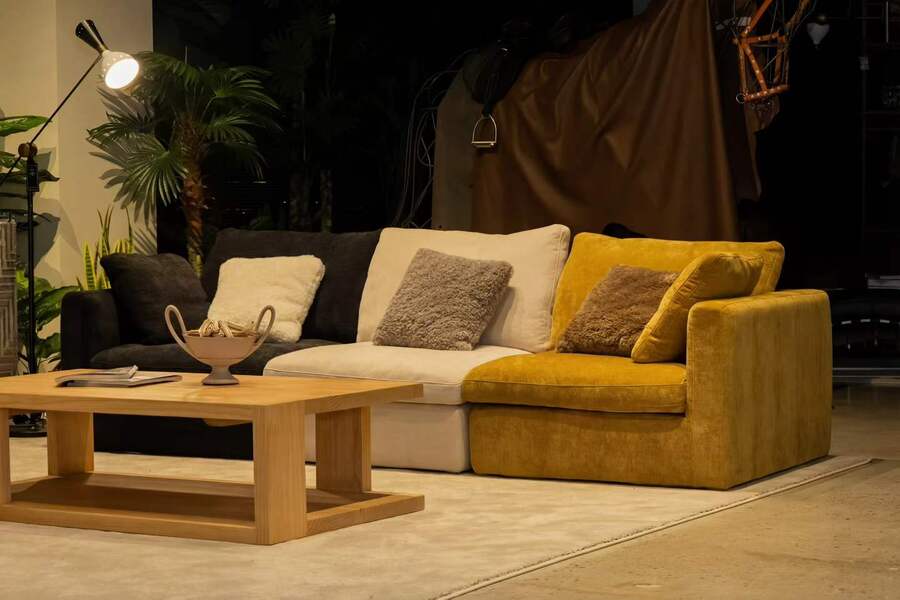
First impressions are visual, and this sofa makes an undeniably striking one. The bold color-blocking of deep charcoal/black, creamy off-white, and vibrant mustard yellow is not merely a stylistic whim; it is a carefully curated exercise in color psychology and spatial dynamics. In the world of design, white represents purity, openness, and tranquility. By placing this creamy white section in the center, the sofa creates a visual “breathing space” that prevents the piece from feeling overwhelmingly heavy. It acts as the anchor of calmness, inviting the eye to rest.
Contrastingly, the black section on the left introduces a sense of sophistication, grounding, and mystery. Black is the color of elegance and authority; in the context of furniture, it provides a robust visual weight that stabilizes the entire composition. When combined with white, black creates a timeless, high-contrast aesthetic that is often associated with modern minimalism and high-end luxury.
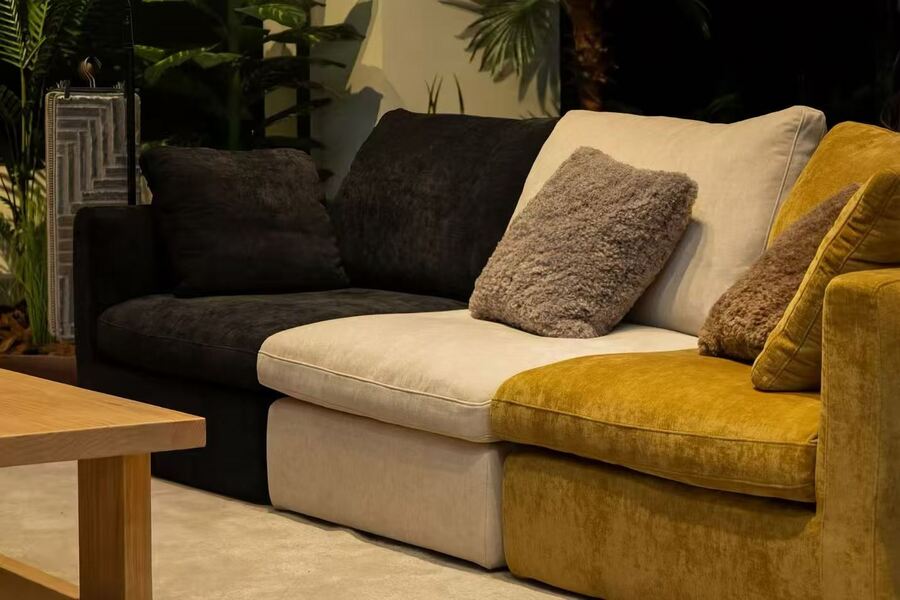
The true showstopper, however, is the mustard yellow right module. Yellow is the color of sunshine, optimism, and energy. In interior design, injecting a pop of yellow can instantly uplift the mood of a room, transforming it from a sterile space into a welcoming, vibrant environment. This specific shade of mustard yellow is particularly brilliant because it is earthy enough to feel sophisticated, yet vibrant enough to command attention. It prevents the monochrome pairing of black and white from becoming too cold or clinical. This tri-color combination is a classic illustration of the 60-30-10 rule of interior design: 60% dominant color (the white), 30% secondary color (the black), and 10% accent color (the yellow). However, because the sofa is constructed modularly, this ratio can be adjusted depending on the module sizes, offering a dynamic visual experience that changes based on viewing angle and lighting.
Furthermore, this palette is incredibly versatile. The neutral black and white allow the sofa to harmonize with various room backgrounds—whether you have a neutral greige wall, a dark navy accent wall, or exposed brick. The yellow accent injects just enough personality to prevent the room from feeling monotonous, while also beautifully complementing indoor plants or natural wooden elements, such as the pine coffee table that accompanies it. It is a palette that speaks a universal language of modern chic, capable of transforming a mundane living area into a curated gallery.
2. The Genius of Modularity – Adapting to Life’s Fluid Spaces
One of the most profound innovations in modern furniture design is the modular system. Unlike traditional fixed sofas that dictate your room’s layout, the modular sofa is designed to be a chameleon, adapting to the evolving needs of your household. The specific sofa in focus features a modular design comprising a left armrest unit, a central single-seater unit, and a right armrest unit. This seemingly simple structure is revolutionary because it offers boundless possibilities for spatial configuration.
For residents of urban micro-apartments, where square footage is a precious commodity, the ability to “reduce modules” is a lifesaver. A homeowner can choose to purchase only the armrest units and a single central seat to create a compact, cozy loveseat perfect for a studio apartment or a reading nook. When guests arrive, or when family expansion necessitates more seating, the user can seamlessly integrate additional central modules to stretch the sofa into a 3-seater, 4-seater, or even a sprawling L-shaped sectional or U-shaped lounge.
This adaptability extends beyond just size. Modularity also allows for functional rejuvenation. Over the years, if one specific cushion becomes stained or loses its shape, it can be replaced individually rather than throwing away the entire sofa. This cost-effectiveness and sustainability make modular furniture an intelligent investment for the future.
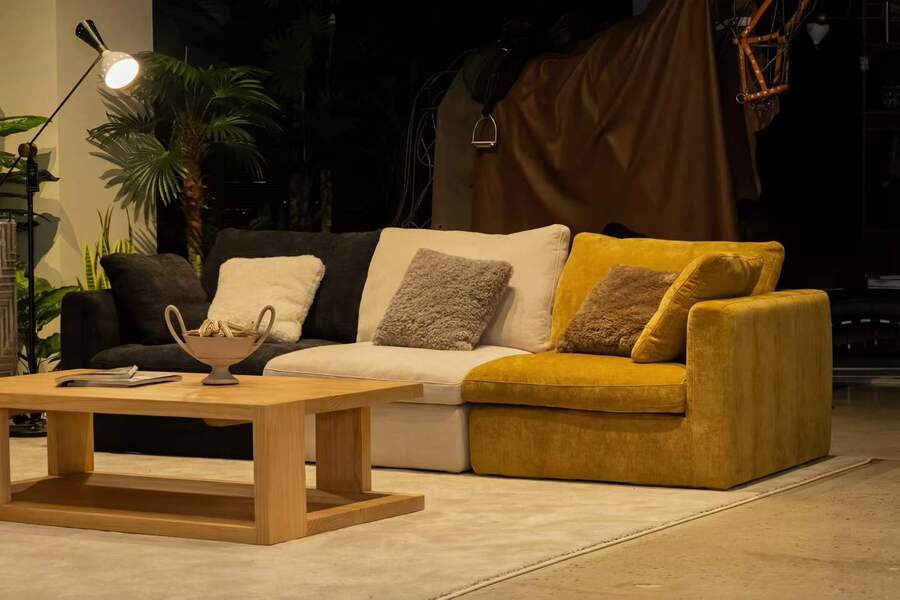
The modular aspect also encourages creative interior design. Instead of forcing your sofa against the wall, modular pieces can be positioned in the center of the room, acting as a spatial divider between the living area and a home office. The left armrest could face the television, while the right armrest could be turned outwards to face a dining table, facilitating a flowing, open-plan lifestyle. The modular sofa is not just a piece of furniture; it is a dynamic architectural tool within the home, allowing the user to express their spatial creativity while maintaining consistent style and comfort.
3. The Tactile Luxury of Chenille Fabric
The fabric choice for a sofa is arguably the most critical decision affecting both durability and daily user experience. Chenille, derived from the French word for “caterpillar,” is a textural marvel that has stood the test of time in the textile industry. The sofa in our focus is upholstered in premium chenille, a fabric celebrated for its unique “fuzzy” appearance and incredibly soft, velvety touch.
What makes chenille particularly suited for a sofa is its complex construction. It is typically made by twisting short lengths of yarn, called “pile,” between two “core” yarns, creating a fabric that is plush, heavy, and durable. The tactile experience of sitting on a chenille sofa is distinctly different from smooth leather or crisp linen. It offers a warm, cozy embrace that invites you to curl up and stay awhile. Unlike velvet, which can be slippery and cold, chenille has a substantial, grounded feel that is simultaneously soft and structured.
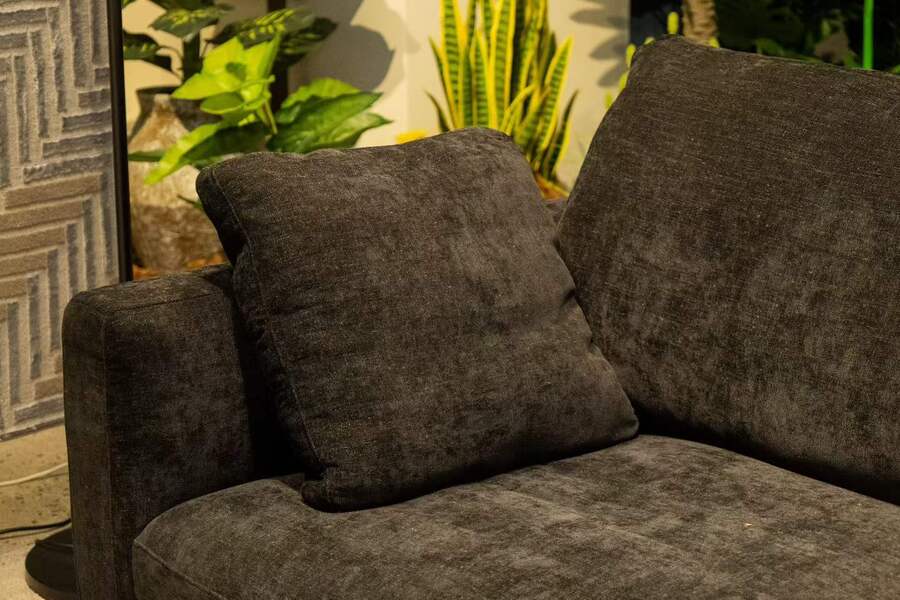
Durability is another hallmark of high-quality chenille. The tight, twisted construction makes it resistant to pilling and wear, ensuring that the sofa maintains its luxurious appearance even after years of daily use. It is a forgiving fabric, capable of hiding minor wrinkles and folds that naturally occur with sitting, making it an excellent choice for busy households with children or pets.
Moreover, the sofa offers a wide range of color options for the chenille fabric. While the image showcases the striking black, white, and yellow combination, the versatility of chenille allows for endless customization. For those who prefer a monochromatic theme, the entire sofa can be produced in a sophisticated charcoal or a soft beige. For the adventurous, the modular nature allows each block to be a different color—perhaps a deep teal, a warm burgundy, or a calming sage green. This color versatility ensures that the sofa can seamlessly integrate into any existing color scheme, whether you are remodeling a coastal bungalow, an industrial loft, or a classic Victorian home. The inclusion of “multiple color options” is not just a marketing feature; it is an empowering tool for the consumer to truly make the sofa their own.
4. The Architecture of Comfort – High-Resilience Foam and Soft Duck Down
Beneath the beautiful chenille exterior lies the true test of a sofa’s quality: the internal construction, specifically the seat cushioning. The model described boasts a luxurious combination of high-resilience (HR) foam and soft duck down. This dual-layer system represents the pinnacle of seat engineering, perfectly balancing the need for structural support with the desire for cloud-like softness.
Let us first analyze the high-resilience foam. HR foam is a premium grade polyurethane foam known for its high density and rapid recovery properties. If you press your hand into HR foam, you will notice that it springs back to its original shape almost immediately. This “rebound” characteristic is crucial for a sofa that is meant to last for years. Standard low-density foams often develop unsightly “sagging” or “body impressions” over a short period, leaving the user sitting in a permanent depression. HR foam eliminates this issue, providing consistent, firm support that aligns your spine correctly, making it ideal for daily lounging, reading, and even napping.
However, a seat made entirely of HR foam can be too firm, feeling rigid and unyielding. This is where the soft duck down filling enters the equation. Duck down, the fluffy undercoating beneath the feathers of ducks, is nature’s ultimate insulator and cushioning material. When used as a topper or mixed into the cushioning, it provides a plush, “sink-in” sensation that is unparalleled. The combination works like a perfect mattress: the HR foam serves as the foundation, preventing the user from hitting the hard wooden frame of the sofa, while the duck down creates a luxurious cloud layer on top, allowing the body to gently contour into the seat.
This synergy of materials ensures that the sofa is neither too hard nor too soft. It supports the thighs and lower back while cradling the hips and shoulders. Furthermore, down filling is highly breathable, which means the seat remains cool in summer and cozy in winter, adapting to the body’s temperature. In terms of longevity, quality down will retain its loft and volume longer than synthetic polyester fibers, which tend to flatten out and become lumpy. By investing in a sofa with HR foam and duck down, the consumer is not just buying a seat; they are investing in a health-conscious ergonomic experience that prevents fatigue and promotes relaxation.
5. The Natural Anchor – The Pine Coffee Table
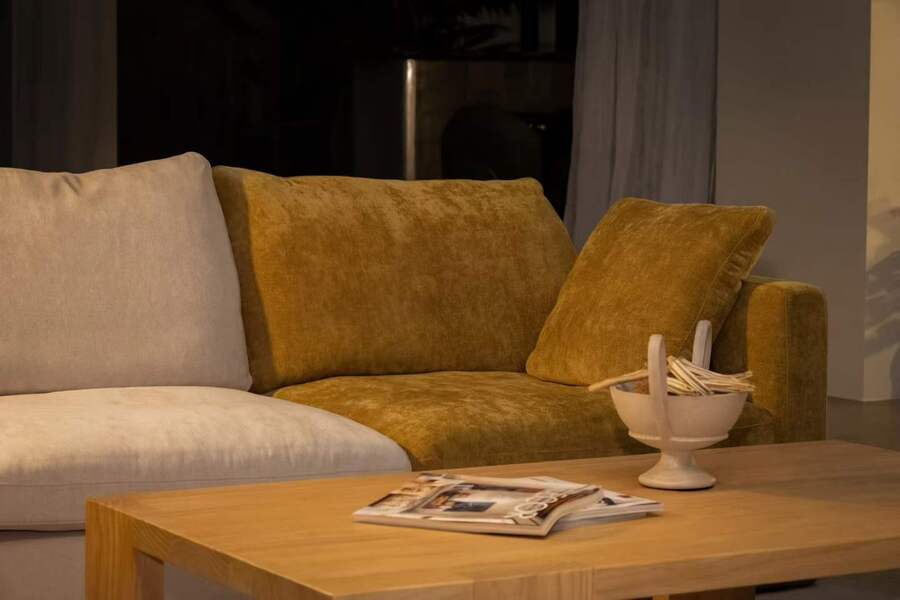
While the sofa is the soft, colorful protagonist of the living room, the coffee table is its grounding sidekick. The accompanying coffee table in the image is crafted from natural pine wood. Pine is one of the oldest and most beloved woods in furniture making, prized for its distinct grain patterns, light weight, and sustainability.
The choice of pine for a coffee table is a deliberate aesthetic decision that perfectly balances the visual weight of the sofa. The sofa, with its heavy chenille upholstery and blocky modular design, can appear slightly imposing. The pine coffee table, with its pale, warm honey tone and clean, straight-edged construction, provides a visual counterweight. It introduces a touch of “Scandinavian” or “Japandi” minimalism—styles that emphasize natural materials and clean lines—softening the bold color palette of the sofa.
Structurally, this coffee table appears to feature a double-layer design, with a top surface and a lower shelf. This is more than just a stylistic flourish; it is a functional improvement. The lower shelf provides essential storage space for magazines, remote controls, coasters, or decorative baskets, helping to keep the top surface clear and uncluttered. This “form follows function” approach is the hallmark of thoughtful design.
In terms of texture, pine offers a tactile experience that contrasts beautifully with the softness of chenille. Where the sofa is fuzzy and warm, the pine wood is smooth, cool, and hard. This contrast enriches the sensory experience of the living room. The natural knots and swirling grain patterns of the pine ensure that every table is unique, bringing a bit of nature’s imperfection and organic beauty into the highly manufactured environment of a home. Moreover, pine is highly receptive to various finishes. In its raw, natural state, it is light and rustic; when stained with a clear matte varnish as seen in the image, it enhances the wood’s natural warmth, making it an ideal companion for the white and yellow tones of the sofa.
6. Creating Visual Harmony – The Living Room Ensemble
A stunning sofa and a beautiful table are only half the battle; the true magic lies in how they interact with their environment. The scene depicted in the provided image illustrates a masterclass in interior styling. The light cream or off-white large area rug provides a soft, sound-absorbing backdrop that unifies the separate furniture pieces. The rug’s light color reflects the ambient light, ensuring that the dark black section of the sofa does not swallow the room’s brightness.
The interplay of light is also crucial. The standing floor lamp, a typical mid-century modern or industrial accent, casts a warm, focused light. Under this illumination, the textures of the chenille and the sheen of the pine wood are accentuated. The warm yellowish glow of the lamp parallels the mustard yellow of the sofa, creating a chromatic harmony that ties the whole room together.
Looking closely at the accessories, the inclusion of indoor plants, such as the palm leaf in the background, adds a biophilic element to the space. The lush green of the plant creates a natural color triad with the black and white of the sofa, grounding the furniture in a living, organic environment. The throw pillows on the sofa further enhance the comfort and style; a fluffy white pillow on the black section and a textured beige-brown pillow on the white section add layers of dimension and tactile variety. It demonstrates how small details—pillows, rugs, lighting, and plants—can amplify the beauty of the main furniture pieces, turning a functional living room into an interior design masterpiece.
7. The Intersection of Aesthetics and Longevity
In the modern consumer market, one of the greatest dilemmas is choosing between style and durability. Often, a beautifully designed piece is flimsy, while a highly durable piece lacks visual appeal. This sofa and coffee table combination successfully bridges that gap. The chenille fabric, as discussed, is resistant to wear and tear, while the pine wood, when properly sealed, is resistant to water rings and minor scrapes.
The modular aspect contributes significantly to longevity. In the fast-paced world of furniture design, trends change rapidly. However, a timeless color block and a natural wood table possess a classic quality that outlives transient fads. If the homeowner decides to move to a new home with a different layout, the modular sofa can be rearranged to fit the new space, potentially saving the cost of buying a new living room set. This long-term adaptability makes the initial purchase not just an expense, but a wise financial decision.
Furthermore, the use of natural materials—wood and duck down—and high-grade synthetics like HR foam and chenille reflects a move toward sustainable comfort. While not entirely organic, these materials are chosen for their longevity, reducing the frequency of replacements and ultimately minimizing the environmental footprint. The furniture is built to age gracefully, with the pine wood developing a rich patina over time and the chenille maintaining its plushness, telling a story of a home well-lived.
8. A Haven of Style and Serenity
To conclude, the chenille color-block modular sofa, paired with a pine coffee table, represents more than just a purchase; it is the foundation of a lifestyle. The bold black, white, and yellow palette provides a chic, modern aesthetic that is both provocative and welcoming. The modular construction offers unprecedented flexibility, growing and shrinking with your life’s chapters. The meticulous selection of materials—from the tactile warmth of chenille to the supportive embrace of HR foam and duck down, and the natural authenticity of pine—ensures that this furniture is built for both beauty and comfort.
In an era where our homes have become our sanctuaries, offices, and gathering grounds, the need for furniture that is adaptable, luxurious, and visually inspiring has never been greater. Whether you are a design-savvy millennial in a chic city apartment or a growing family in a suburban house, this combination offers the perfect canvas upon which to paint your daily life. It invites you to sit, recline, converse, and simply be. By harmonizing high-end materials, smart modular engineering, and timeless color design, this sofa and table ensemble stands as a testament to how thoughtful furniture design can elevate the human experience within the four walls of our homes. It is not just furniture; it is an extension of your personality, waiting to embrace you after a long day.
-
The Exhibition – Canton Fair 2026 (October)
2026-10-09 -
The Epitome of Vintage Leisure: A Multi-Sensory Design Odyssey in an Industrial Botanical Bar
2026-08-21 -
The Exhibition –FURNITURE CHINA 2026
2026-08-01 -
The Art of Balanced Living: The Walnut-Toned Ash Wood Chenille Sofa and the Natural Pine Coffee Table
2026-07-25 -
The Symphony of Design and Modular Comfort: Exploring the Chenille Color-Block Sofa and Pine Coffee Table
2026-07-15 -
Embracing Organic Luxury: The ARTSOME Suede Sofa Unraveled
2026-06-27 -
The Tangible Poetry of Modern Dwelling: An Analytical Study of a Leather Sofa and Travertine Coffee Table
2026-06-22 -
The Exhibition – Canton Fair 2026 (April)
2026-04-14 -
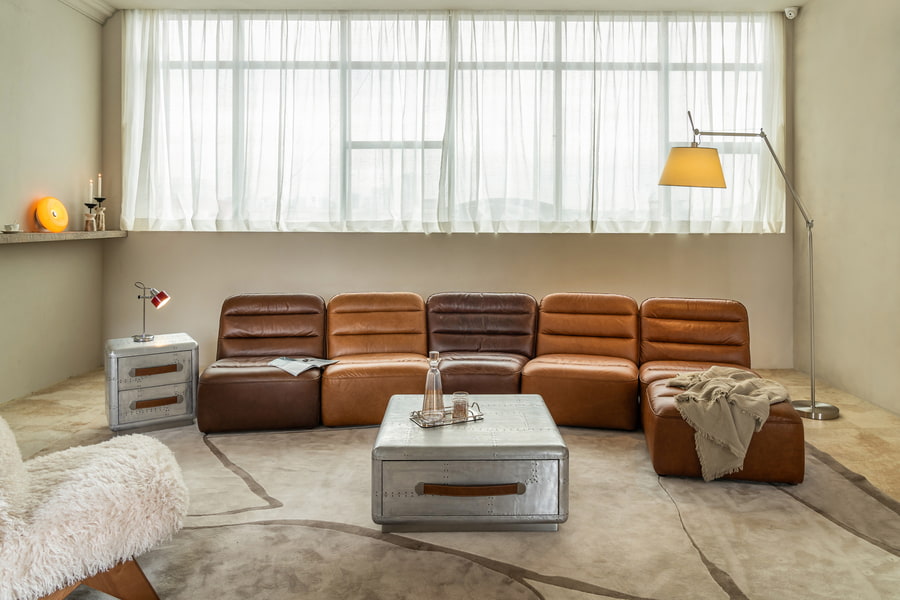
Redefining Flexibility: The Modular Sofa That Adapts to Your Life
2026-02-04 -
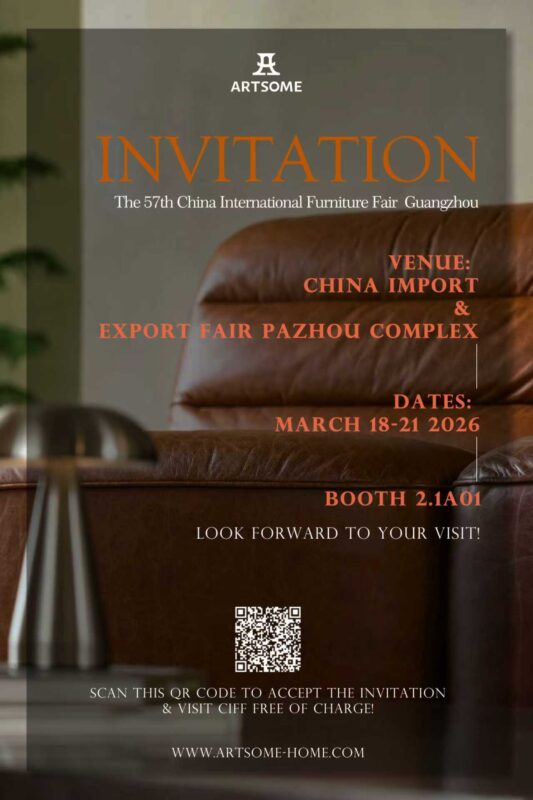
The Exhibition – The 57th CIFF Guangzhou
2026-01-14
-

Egg Chair & Swan Chair, the Iconic Symbol of Scandinavian Design
2023-11-13 -

Vanity Fair Sofa, the Luxurious and Stylish Furniture
2023-10-04 -

A Guide for Modern Metal Furniture
2023-08-15 -

Introduction of Modern Furniture Material — Acrylic and Glass
2023-07-15 -

The Structure & Materials of Artsome Leather Sofa
2022-12-16 -

Modern Furniture Finishes & Furniture Care Tips
2022-11-14 -

How to Design the Modern Furniture Sofa
2022-10-02 -

Tips for Looking for a Quality New Bed
2022-09-13 -

Tips for Mid-Century Modern Furniture Placement
2022-08-19 -

Types & Identifying Tips of Cowhide Leather
2022-08-06