

Humble Footstool, Grand Ambiance: The Unsung Hero of Home Comfort
The Underestimated Home Artisan
In the relentless pursuit of domestic comfort that characterizes contemporary living, our collective gaze often falls upon the more obvious contenders: luxurious sectionals that promise cloud-like repose, intelligent mattresses that track our sleep patterns, and ergonomic office chairs that pledge allegiance to our spines. Yet, in this focused quest, we consistently overlook a silent, humble hero that bears the weight of both our physical fatigue and our daily psychological burdens—the footstool. This seemingly modest piece of furniture, often relegated to a decorative afterthought or practical accessory, is in truth an exquisite bridge connecting the science of ergonomics with the poetry of living aesthetics. It occupies a unique niche in the domestic landscape, serving as both a functional tool and a subtle design statement. Unlike its larger upholstered counterparts that dominate a room, the footstool operates on a more intimate scale, whispering rather than shouting its virtues. It is a testament to the idea that true comfort resides not only in grand gestures but in the thoughtful consideration of life’s smaller interactions. From the moment we sink into our favorite armchair at day’s end and instinctively reach for that supportive platform, we engage in a ritual of respite that civilizations have been refining for centuries. This article seeks to elevate the footstool from its ancillary status, exploring its rich historical tapestry, its multifaceted roles in modern life, the tactile and visual drama of its materials—particularly sumptuous top-grain leather and sophisticated textiles—and the remarkable diversity of its forms. In doing so, we will uncover how this compact piece of furniture encapsulates a profound philosophy: that comfort is a holistic experience, built from the ground up, starting quite literally with where we place our feet.
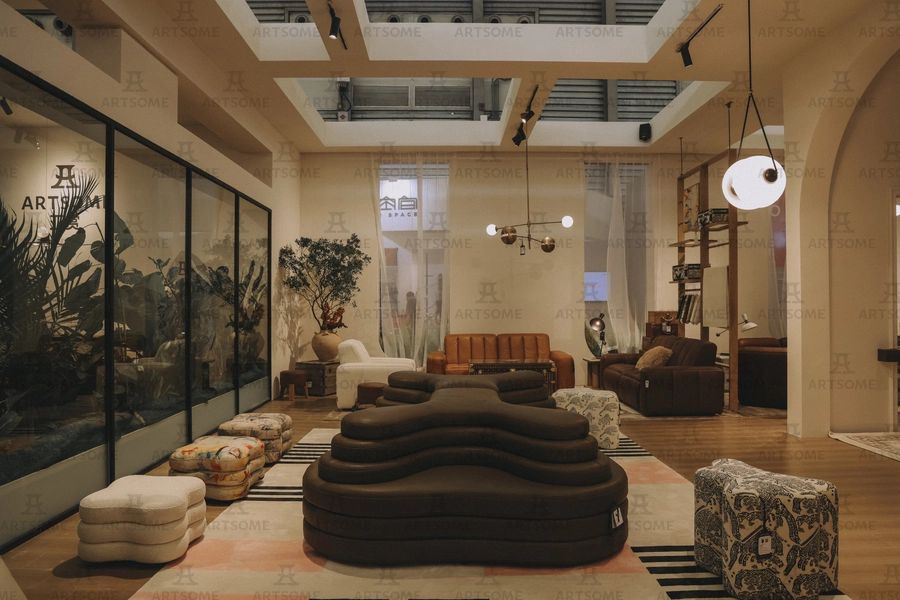
1. A Walk Through History: The Footstool’s Enduring Journey
The footstool’s story is a fascinating parallel to the evolution of human seating, social customs, and domestic life itself. Its origins are deeply rooted in practical necessity, gradually absorbing cultural significance and aesthetic value as centuries passed.
In the East, particularly in China, the footstool’s ancestors emerged alongside the transition from low-level sitting and floor mats to higher seating furniture during the Tang and Song dynasties. As chairs and raised platforms became symbols of status and scholarly life, the need for a complementary footrest became apparent. These early iterations, often called “stepping beds” or “foot benches,” were initially imbued with formal ritualistic purpose. In formal settings and hierarchical displays, the use of a footstool was often reserved for individuals of high rank, its presence reinforcing social order and authority. By the Ming and Qing dynasties, however, this functionality had democratized and softened. The footstool became an integral part of the domestic interior, especially within the private quarters of women and the contemplative spaces of scholars. The renowned Ming-style footstools stand as perfect examples of this integration, showcasing a design philosophy that prized clean lines, natural wood grains, and structural honesty through exposed joinery. They were not merely accessories but harmonious extensions of the chair itself, reflecting a balanced and natural way of living.
Meanwhile, in the Western world, the footstool’s path unfolded differently but no less significantly. In the cold, stone-walled castles of medieval Europe, a wooden platform was less a luxury and more a vital barrier against the pervasive damp and chill rising from the floor. Its primary role was insulation and comfort. The Renaissance period witnessed a dramatic transformation, as the footstool was co-opted by the aristocracy as a canvas for displaying opulence. Covered in rich velvets, brocades, and even tapestries, and sometimes adorned with precious metals and gemstones, it became a mobile emblem of wealth and power. The subsequent Victorian era marked another pivotal shift. With the expansion of the middle class and the cult of domesticity, the parlour became the heart of the home. Here, the footstool found its quintessential pairing with the upholstered armchair and the rocking chair. It evolved into a symbol of cozy, familial warmth and respectable leisure, often hand-crafted by women as part of their domestic arts, featuring intricate needlepoint covers that told stories of patience and care. This journey from pragmatic tool to status symbol to a token of domestic comfort charts the footstool’s unique ability to adapt and reflect the values of every era it traverses.
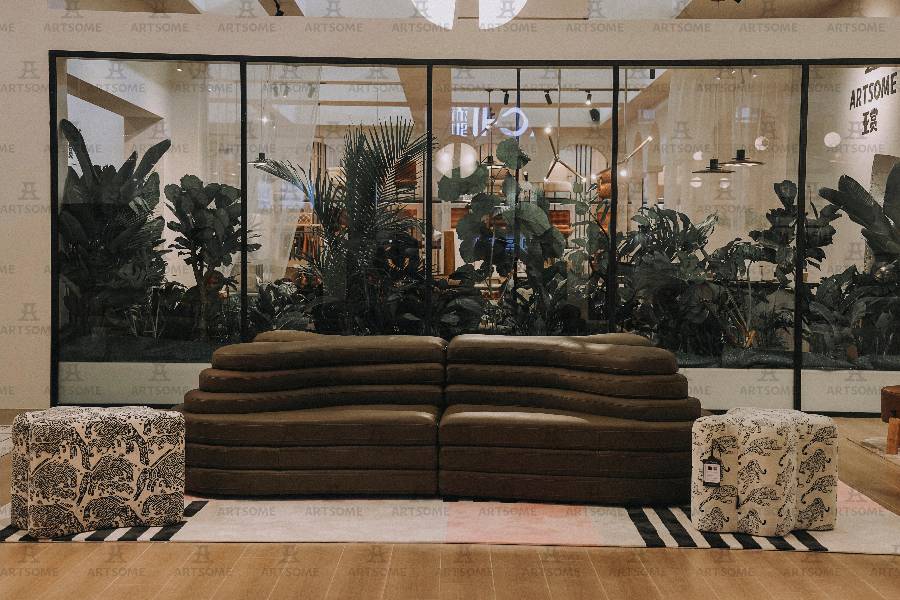
2. Beyond Foot Support: A Multifunctional Powerhouse
To perceive a footstool solely as a footrest is to vastly underestimate its utility. Its true genius lies in its versatile nature, allowing it to perform a symphony of roles within the flexible theatre of modern living spaces.
At its most fundamental, the footstool delivers profound physiological benefits grounded in ergonomic science. By providing a platform to elevate the feet when seated, it promotes healthier circulation, reducing swelling and fatigue in the legs and ankles. It allows the sitter to achieve the optimal seated posture where the knees are at or slightly above hip level, alleviating strain on the lower back. This simple elevation also aids in temperature regulation, lifting the feet away from cold draughts in winter and, conversely, allowing for better air circulation in summer. Yet, its functionality rapidly expands from this core purpose. In today’s dynamic homes, space is at a premium, and furniture must earn its keep. A sturdy, well-proportioned footstool effortlessly transforms into impromptu seating for unexpected guests during a lively gathering. With the simple addition of a sturdy tray, it is reborn as a perfect side table or coffee table alternative, holding drinks, books, or a small plate of snacks within easy reach. For families with young children, a low footstool becomes an essential safety aid and independence-builder, helping toddlers climb safely onto sofas or adult chairs. Furthermore, many contemporary designs incorporate clever storage solutions—hollow interiors with lift-top lids or discreet drawers—turning the footstool into a discreet repository for blankets, magazines, remote controls, or board games, thus combating clutter and contributing to a serene environment.
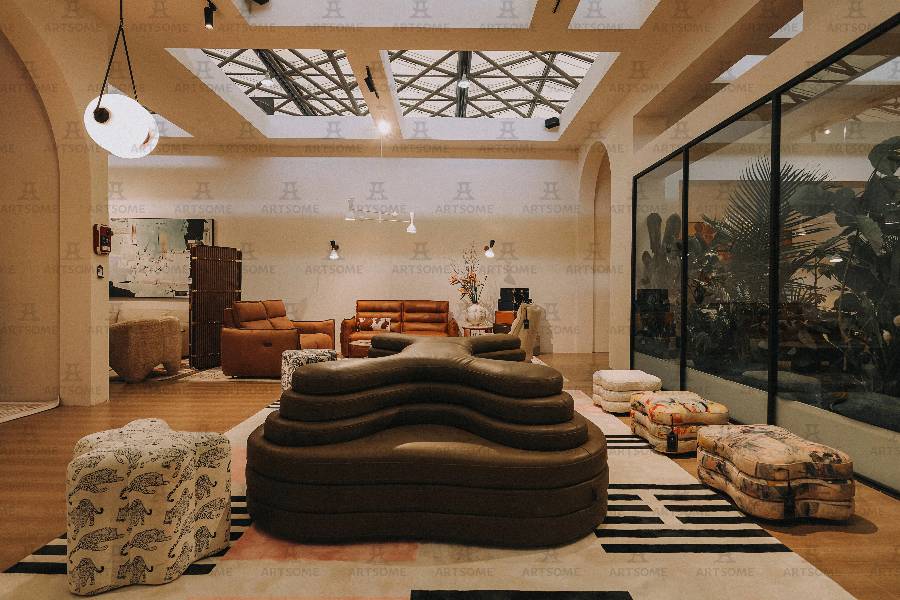
Beyond these tangible uses, the footstool exerts a subtle psychological and social influence. By visually lowering the seating profile of a person, it can create a greater sense of groundedness, security, and enclosure. In a social setting, a pair of footstools placed opposite a sofa can foster a more intimate and balanced conversational circle, breaking the formality of a rigid seating arrangement. Psychologically, the act of propping up one’s feet is universally recognized as a signal of relaxation, a deliberate and often subconscious gesture of claiming a moment of rest and setting down the day’s burdens. In this sense, the footstool becomes more than an object; it is a facilitator of a mindset, a small but powerful totem of permission to pause and indulge in comfort. Its multifunctionality is a direct response to the evolving needs of contemporary life, where adaptability, practicality, and mindful living are paramount.
3. The Tapestry of Touch: Top-Grain Leather and Premium Fabrics
The soul of a footstool is not just in its shape or function, but profoundly in its material essence. The choice of upholstery defines its character, dictates its interaction with the user, and determines its longevity and narrative within a home. Two material kingdoms reign supreme in the realm of quality footstools from Artsome: the timeless luxury of top-grain cowhide leather and the expressive artistry of premium fabrics.
Top-grain leather represents the pinnacle of hide upholstery. Sourced from the outermost layer of the hide, it retains the natural, breathable grain, making it exceptionally durable and endowed with a unique personality that evolves beautifully over time. Unlike corrected grains, top-grain leather wears its life story proudly, developing a rich, warm patina—a silky sheen born from years of use and gentle care. This characteristic makes each leather footstool a singular heirloom, its surface recording the gentle touch of family life. In terms of performance, high-quality top-grain leather is often treated with subtle aniline or semi-aniline dyes that enhance its natural beauty while providing a degree of protection against spills and stains. It is surprisingly resilient to scratches and, with proper conditioning, grows softer and more inviting with age. The craftsmanship involved is paramount. Premium pieces might feature hand-stitched details, such as saddle stitching with two needles creating a robust and decorative thread line. The edges may be painstakingly painted or burnished by hand, and the leather is carefully matched for color and grain consistency. The result is an object of understated, confident luxury that conveys stability, warmth, and a connection to traditional craftsmanship. It pairs elegantly with both classic and modern interiors, bringing a tactile and olfactory richness that is immediately perceptible.
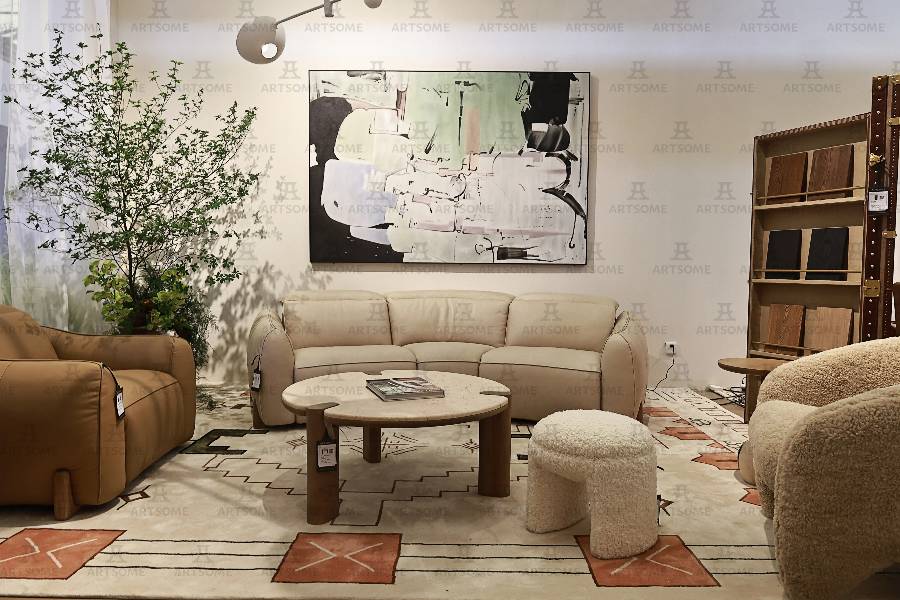
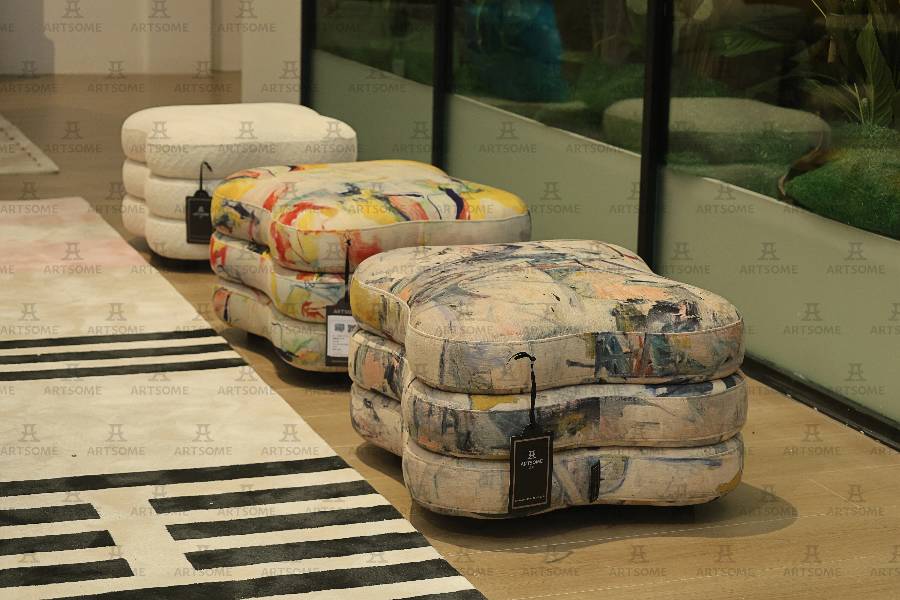
On the other side of the material spectrum lies the vast and creative world of premium fabrics. This category offers an unparalleled spectrum of color, texture, and pattern, allowing the footstool to become a focal point or a subtle harmonizer. The options are a designer’s playground. One might select the deep, plush pile of an Italian velvet, which captures and plays with light, creating a sense of opulent depth perfect for a glamorous or art deco setting. For a more organic, relaxed feel, Belgian linen offers a beautiful, natural slub texture and excellent breathability, ideal for Scandinavian or coastal-inspired spaces. The sturdy, tactile warmth of a British wool tweed brings a sense of academic or rustic comfort, while innovative performance fabrics, woven with technologies for stain and fade resistance, offer practicality without sacrificing style for busy family homes. Furthermore, fabrics enable extraordinary artistic expression through intricate jacquard weaves, delicate embroideries, bold digital prints, and custom patterns. This allows a footstool to carry a specific motif, complement existing decor, or even serve as a singular piece of textile art. The choice of fabric transforms the footstool’s voice—from the silent, refined whisper of linen to the joyful, colorful shout of a printed geometric design. Ultimately, the material dialogue between leather and fabric is not a contest but a celebration of choice, enabling the footstool to fulfill its role as a deeply personal element within the curated landscape of the home.
4. Sculpting Space: The Poetry of Form and Design
The shape of a footstool is its silent language, a visual poetry that communicates style, intention, and spatial intelligence. Moving far beyond the basic rectangular block, contemporary design has unleashed a stunning array of forms that cater to diverse aesthetic preferences and functional requirements.
The evolution begins with the foundational geometries. The classic rectangle remains eternally versatile, but its proportions tell different stories. A long, low, bench-style ottoman at the foot of a bed serves a different purpose and creates a different rhythm than a compact, square cube nestled beside a wingback chair. Circular and oval footstools introduce a softer, more democratic dynamic. Without corners or a designated “front,” they encourage fluid movement and conversation, making them perfect for placement in the center of a seating group or for use with round-backed chairs. The organic movement in design has given rise to footstools inspired by nature—sculptural forms that mimic smooth river stones, curled leaves, or gentle waves. These biomorphic shapes break the rigid lines of traditional architecture, injecting spaces with whimsy, fluidity, and a deeply calming, naturalistic sensibility.
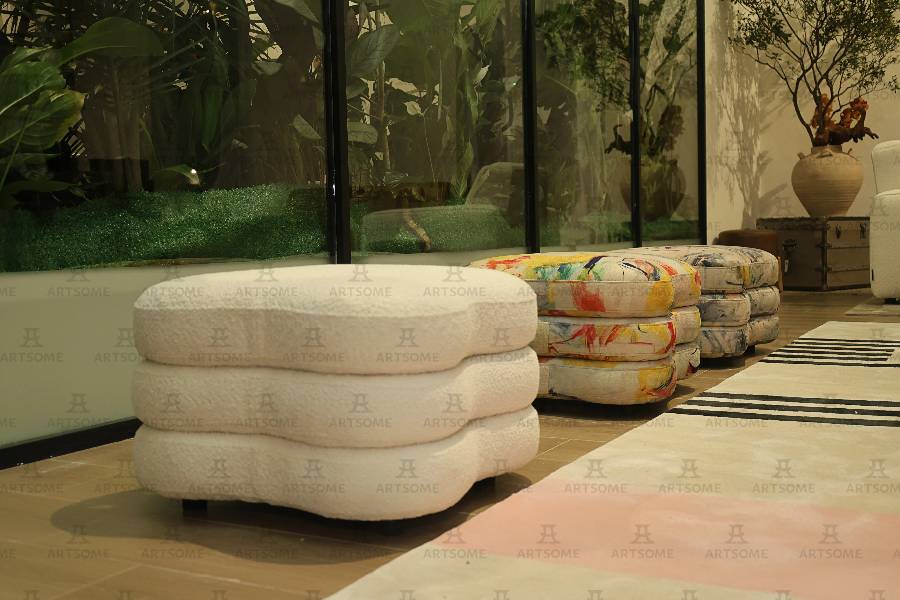
These forms are then infused with distinct stylistic languages. A New Chinese style footstool might reinterpret the classic *Xiangfei* bamboo frame or the intricate latticework of a scholar’s garden window, rendered in dark walnut and accented with a simple, elegant silk cushion. It speaks of heritage and tranquility. A Modern Minimalist footstool, in contrast, is an exercise in reduction. It might be a perfect cylinder of memory foam wrapped in a monochromatic wool felt, or a geometric prism with a seamless, upholstered finish that conceals its construction. Its message is one of calm, order, and spatial clarity. For those drawn to historical richness, a Vintage or Revival style footstool offers abundant character. This could manifest as a button-tufted, barrel-shaped piece in jewel-toned velvet with turned wooden feet, echoing the grandeur of a 19th-century club chair. Or it might be a piece showcasing the clean, stepped lines and sunburst motifs of the Art Deco period, perhaps in a contrasting leather and polished chrome. Each shape and style interacts with the space around it: angular forms can reinforce architectural lines, while curvaceous ones can soften a room; substantial pieces ground a space, and leggier designs lend an airy feel. The footstool, through its deliberate form, becomes an essential punctuation mark in the sentence of a room’s design, capable of being a comma, an exclamation point, or a thoughtful pause.
5. Integration and Curation: The Footstool in Modern Life
The true test of any design object is how seamlessly and meaningfully it integrates into daily life. The modern footstool has passed this test with distinction, proving its relevance in a wide array of domestic and commercial settings through intelligent adaptation.
Within the home, its applications are wonderfully varied. In the living room, the primary social hub, footstools offer flexible sociology. A large, solid ottoman can anchor a seating arrangement, while several smaller, lightweight stools can be pulled into conversation circles as needed, democratizing seating and encouraging interaction. In the bedroom, a long, low upholstered bench or a pair of smaller stools placed at the foot of the bed serves both practical and ceremonial purposes. It is a convenient spot for laying out clothes, putting on shoes, or simply serving as a transitional object that makes the large plane of the bed feel more integrated with the room. In a home library or personal study, a leather-topped footstool paired with a deep armchair creates a sanctuary for focused reading or contemplation, its presence dedicating the space to leisurely intellectual pursuit. For the home office, an ergonomic footstool can be a vital tool for maintaining healthy posture during long hours at a desk, proving that its benefits extend beyond relaxation to sustained productivity.
The footstool’s utility extends powerfully into commercial and contract interiors, where it must meet higher demands for durability, style, and atmosphere-setting. In luxury hotels, a beautifully appointed footstool in a suite is a detail that whispers exclusivity and care, enhancing the guest’s sense of being pampered. High-end boutique stores use distinctive designer footstools not just as seating for waiting companions, but as integral elements of their visual merchandising, reinforcing brand identity and creating inviting, residential-like vignettes that encourage customers to linger. In healthcare and senior living environments, carefully specified footstools play a critical role in safety and independence, providing stable support for individuals as they sit or stand, often featuring non-slip bases and easy-to-clean, antimicrobial fabrics. Even in corporate offices, well-designed footstools in lounge or breakout areas signal a company’s commitment to employee well-being and collaborative, relaxed thinking. This wide-ranging applicability underscores the footstool’s fundamental design virtue: it is a humble servant to human comfort and interaction, capable of elevating the experience of a space regardless of its primary function.
6. The Art of Selection: A Connoisseur’s Guide
Choosing the perfect footstool is a delightful exercise in balancing aesthetics, ergonomics, and personal lifestyle—a small act of curation that can significantly enhance a room’s harmony and functionality. Navigating this choice requires attention to several key principles.
The foundational rule is proportional harmony. The footstool must be in correct scale with its primary companion seat. A general ergonomic guideline suggests its height should be roughly one-third to one-half the height of the chair or sofa’s seat cushion. This ensures comfortable leg support without causing the knees to rise too high. Its depth should accommodate the full length of the user’s calf when seated. Spatially, it should be placed close enough to be reached effortlessly without stretching—typically 15 to 30 centimeters from the edge of the seat—yet not so close as to appear cluttered. Beyond these metrics, the visual and tactile dialogue with its surroundings is paramount. This is where the art of styling comes alive. One might pursue a harmonious, tonal look where the footstool is upholstered in a slightly lighter or darker shade of the same color as the main sofa, creating a sophisticated, layered monochromatic scheme. Alternatively, the footstool can be deployed as a strategic accent, a burst of contrasting color or a bold pattern that injects energy and personality into a neutral space. The interplay of textures is equally powerful: the cool, smooth touch of a leather footstool can beautifully offset the nubby warmth of a wool sofa, while a glossy silk velvet stool can add a note of glamour against matte painted walls and rustic wood.
The selection process must also be guided by honest lifestyle considerations. A household with young children or pets might prioritize performance fabrics with exceptional stain resistance and easy cleaning protocols over a delicate, light-colored linen. A minimalist who values clear floorspace might opt for a design with slender legs that create a sense of visual lightness, as opposed to a solid, floor-hugging pouf. For someone who loves to entertain, a large, sturdy storage ottoman that doubles as extra seating and hides spare throws is an ideal multifunctional solution. Ultimately, the chosen footstool should feel like a natural and enriching extension of one’s daily rituals. It is an invitation to pause, to connect with a moment of comfort, and to appreciate how a considered object, however small, can profoundly shape the quality of our living experience. It stands as proof that in the world of design, significance is not measured solely in size, but in the depth of thought and the breadth of comfort it provides.
In the final analysis, the humble footstool emerges not as a mere accessory, but as a quiet philosopher of domestic life. Its journey through history mirrors our own evolving understanding of comfort, from a privilege of status to a fundamental component of well-being. Its compact form belies a expansive functionality, serving our bodies, organizing our spaces, and soothing our minds. The material narratives of resilient top-grain leather and expressive premium fabrics offer a tangible connection to craft and personal expression, while its endless variety of shapes provides a tool for individual aesthetic statement. In a culture that often equates “more” with “better,” and “larger” with “more significant,” the footstool presents a compelling counter-argument. It champions the idea that profound comfort and refined style can be achieved through thoughtful attention to the small, the supportive, and the seamlessly integrated. It asks us to consider where we rest our feet, and in doing so, reminds us to build our comfort from the ground up. More than a piece of furniture, it is a gesture of care—for oneself, for one’s guests, and for the art of living well. In lifting our feet, it symbolically lightens our load, offering a daily, accessible ritual of respite. Thus, the footstool earns its place not just in the corner of a room, but at the very heart of a considered, comfortable, and beautifully lived life.
-
The Exhibition – Canton Fair 2026 (October)
2026-10-09 -
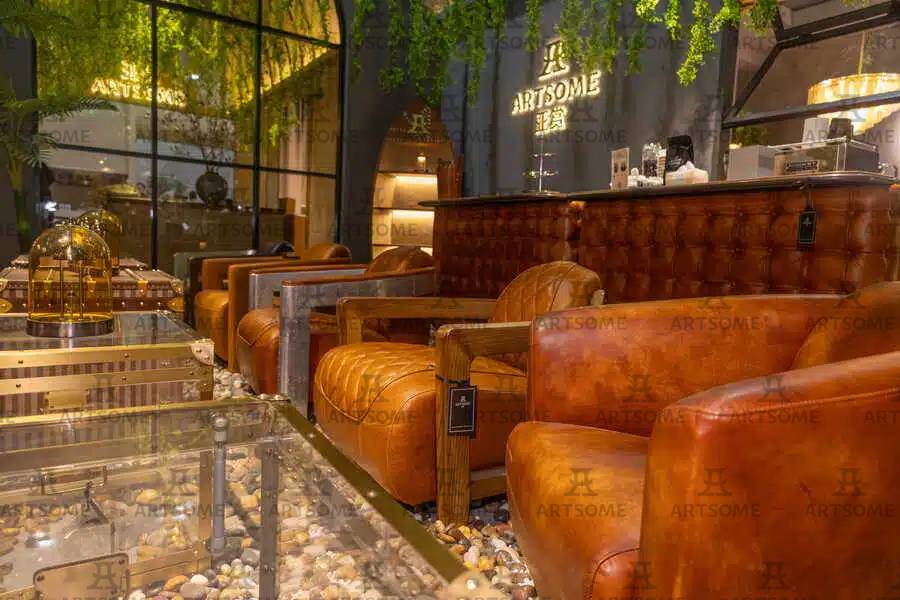
The Epitome of Vintage Leisure: A Multi-Sensory Design Odyssey in an Industrial Botanical Bar
2026-08-21 -
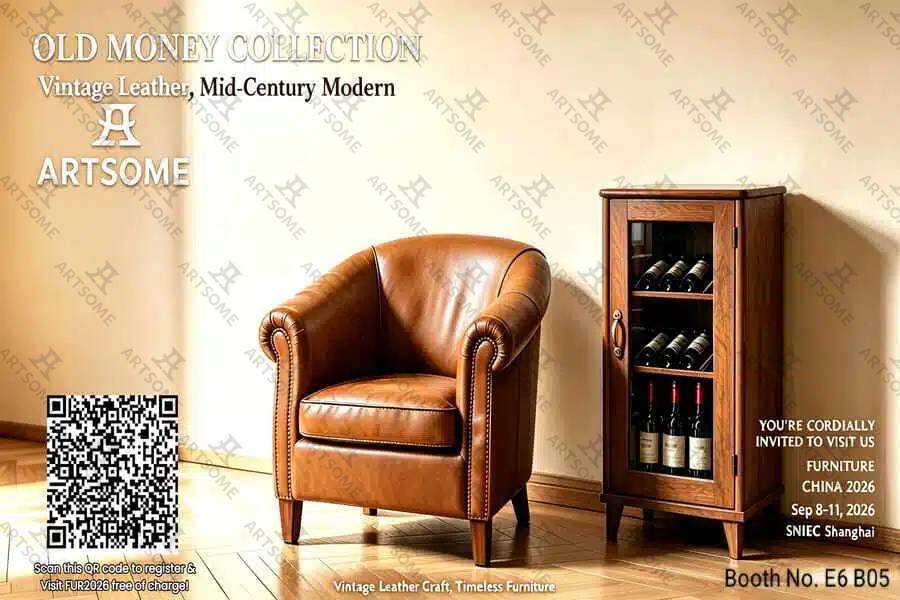
The Exhibition –FURNITURE CHINA 2026
2026-08-01 -
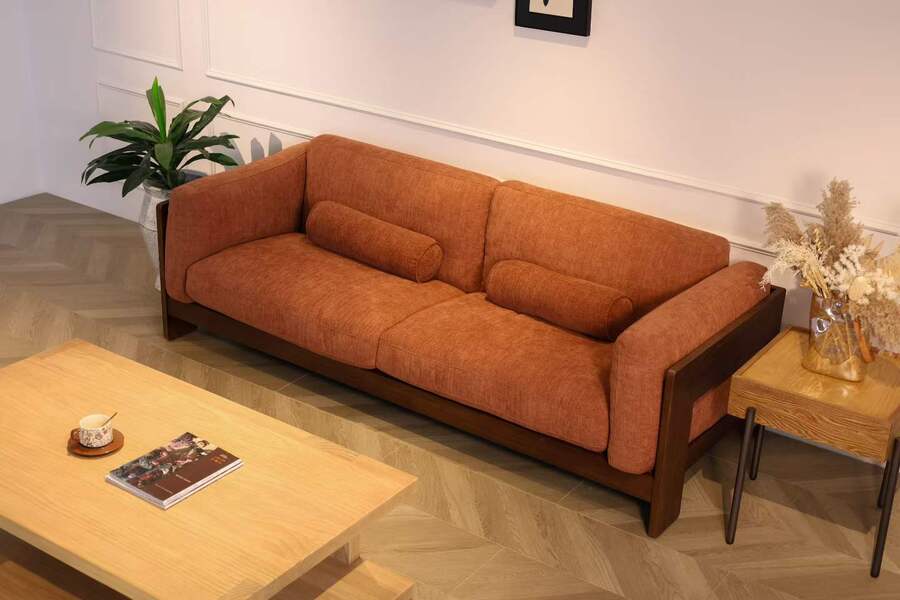
The Art of Balanced Living: The Walnut-Toned Ash Wood Chenille Sofa and the Natural Pine Coffee Table
2026-07-25 -
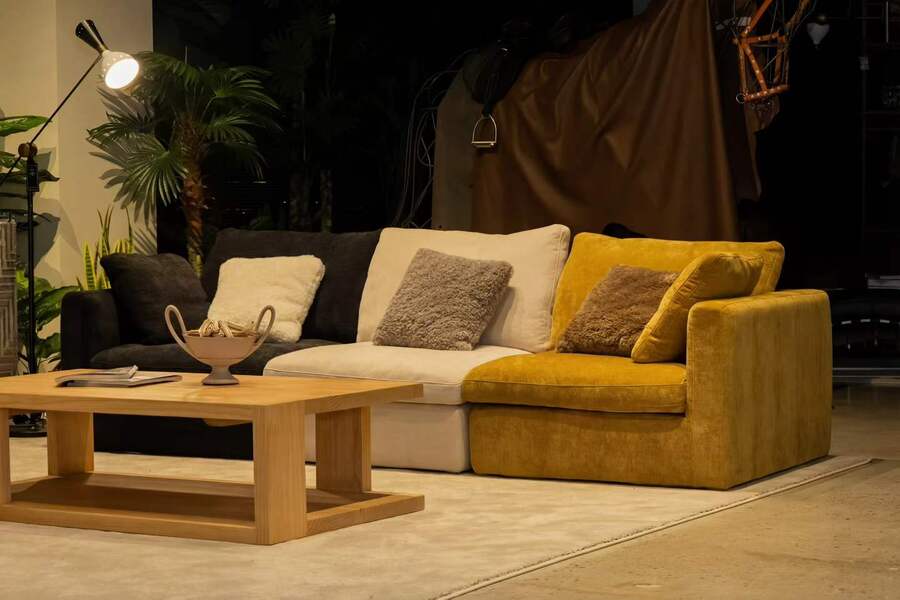
The Symphony of Design and Modular Comfort: Exploring the Chenille Color-Block Sofa and Pine Coffee Table
2026-07-15 -
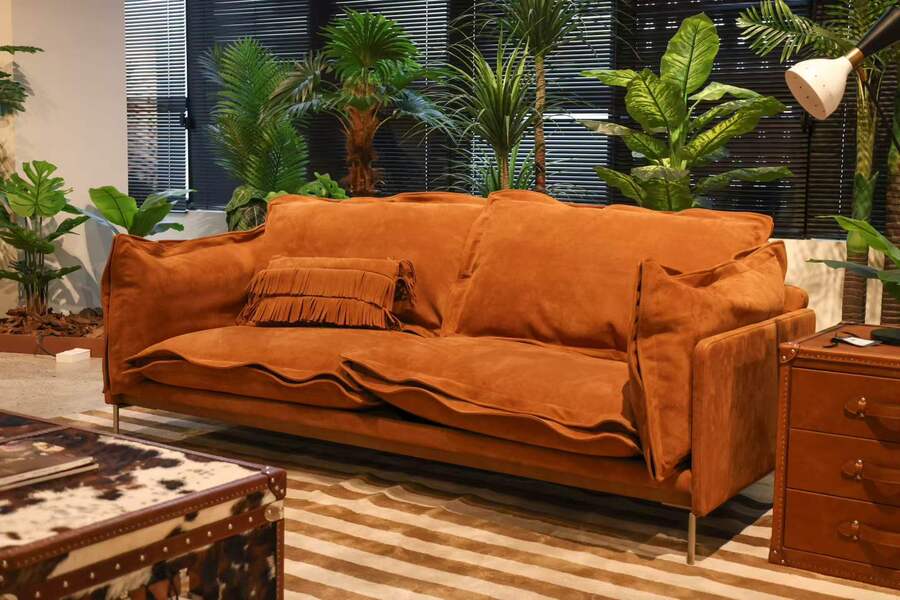
Embracing Organic Luxury: The ARTSOME Suede Sofa Unraveled
2026-06-27 -
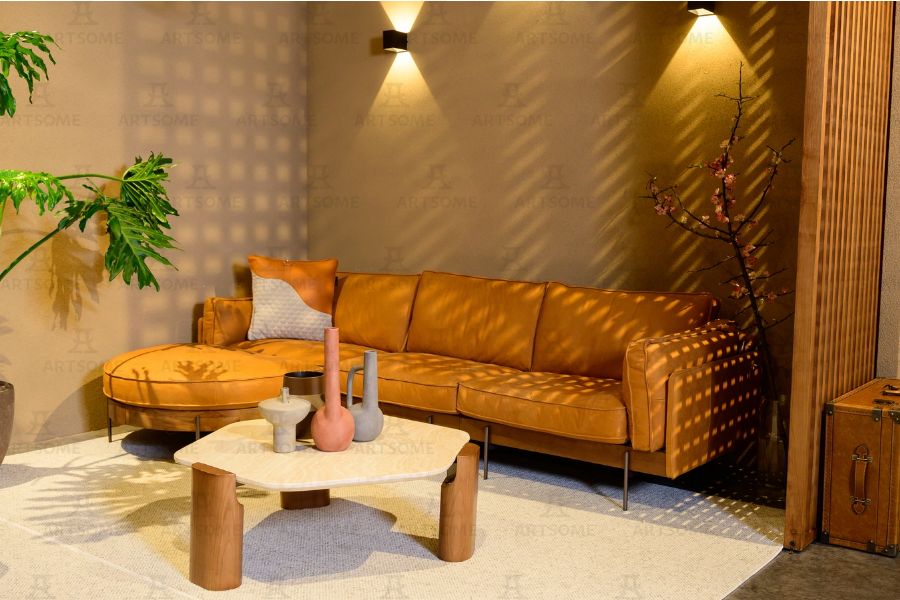
The Tangible Poetry of Modern Dwelling: An Analytical Study of a Leather Sofa and Travertine Coffee Table
2026-06-22 -
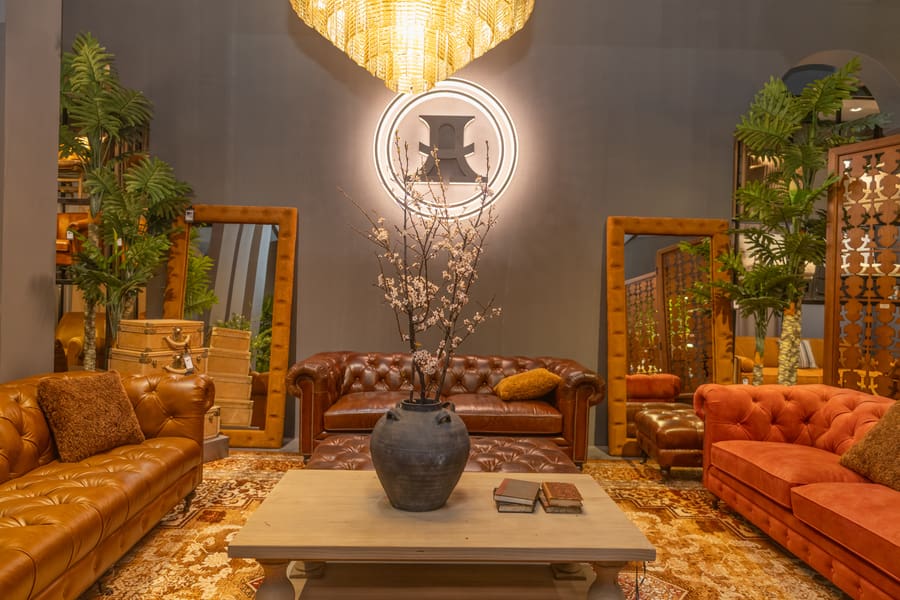
The Exhibition – Canton Fair 2026 (April)
2026-04-14 -
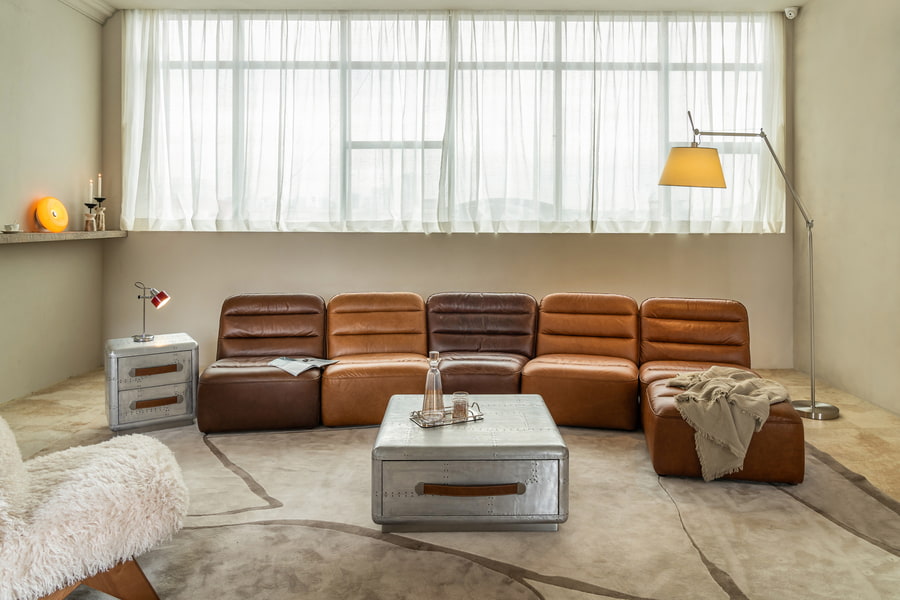
Redefining Flexibility: The Modular Sofa That Adapts to Your Life
2026-02-04 -

The Exhibition – The 57th CIFF Guangzhou
2026-01-14
-

Egg Chair & Swan Chair, the Iconic Symbol of Scandinavian Design
2023-11-13 -

Vanity Fair Sofa, the Luxurious and Stylish Furniture
2023-10-04 -

A Guide for Modern Metal Furniture
2023-08-15 -

Introduction of Modern Furniture Material — Acrylic and Glass
2023-07-15 -

The Structure & Materials of Artsome Leather Sofa
2022-12-16 -

Modern Furniture Finishes & Furniture Care Tips
2022-11-14 -

How to Design the Modern Furniture Sofa
2022-10-02 -

Tips for Looking for a Quality New Bed
2022-09-13 -

Tips for Mid-Century Modern Furniture Placement
2022-08-19 -

Types & Identifying Tips of Cowhide Leather
2022-08-06