

The Art of Balanced Living: The Walnut-Toned Ash Wood Chenille Sofa and the Natural Pine Coffee Table
Introduction: The Sanctuary of Simplicity
In the fast-paced, hyper-connected world we inhabit today, the home has evolved from a mere shelter into a psychological sanctuary. It is the stage upon which our daily lives unfold, and the furniture we choose acts as the silent actors that shape our moods, behaviors, and overall sense of well-being. The current zeitgeist of interior design leans heavily towards minimalism, earthiness, and tactile luxury—qualities that are beautifully embodied in the pairing of a Walnut-toned Ash wood frame Chenille sofa and a natural Pine wood coffee table.
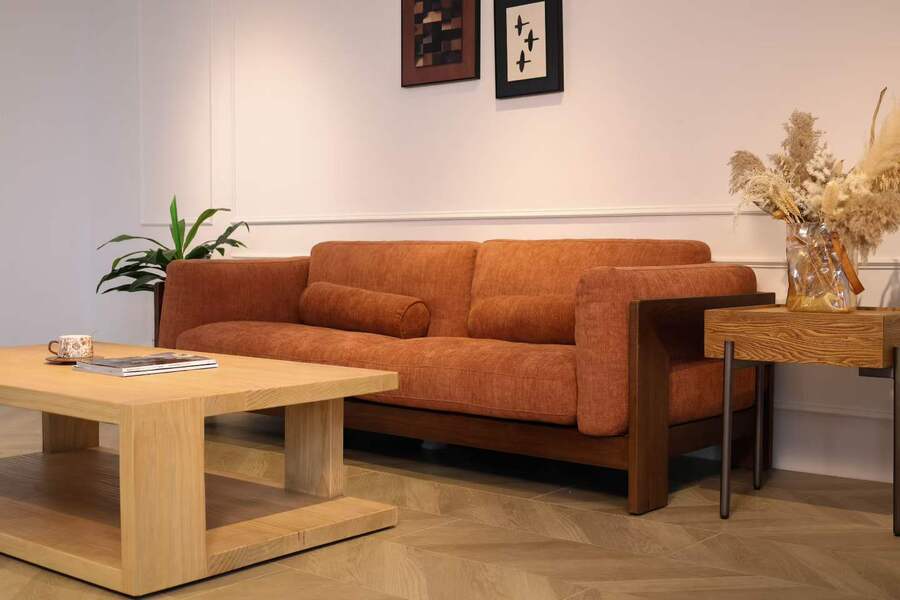
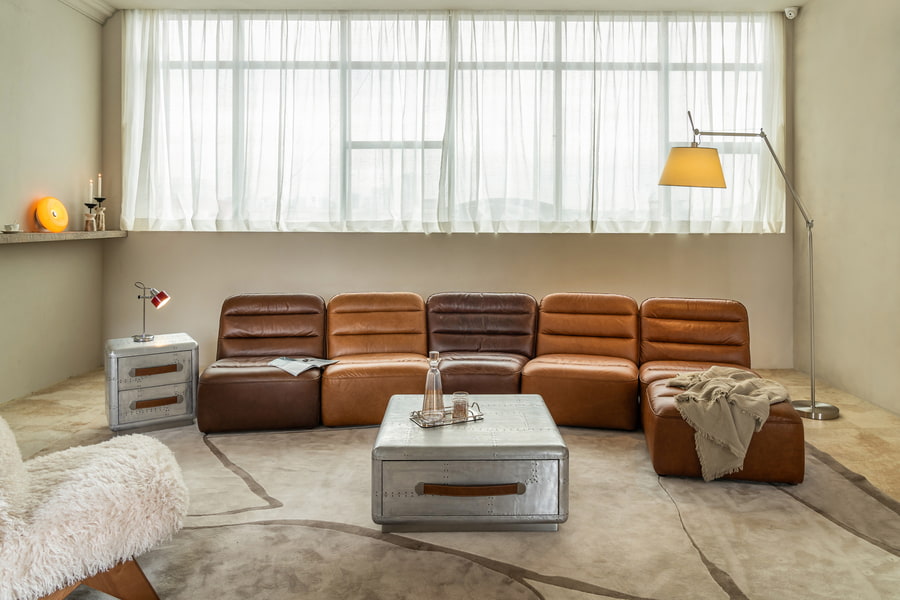
This isn’t just a random assembly of wood and fabric; it is a curated dialogue between texture, color, and form. The picture we see depicts a living room corner that exudes a quiet elegance, a space where functionality meets art. The deep, warm tones of the sofa’s frame contrast delicately with the light, airy feel of the pine table, creating a visual balance that is both grounding and uplifting. In this exploration, we will dissect the craftsmanship, the material science, the aesthetic philosophy, and the practical versatility of these pieces, understanding why they represent the epitome of modern, simple, and generous home furnishing.
Part I: The Mastery of the Framework—Walnut-Toned Ash Wood
The foundation of any great piece of furniture lies in its skeleton. For this specific sofa, the “skeleton” is a solid Ash wood frame, finished with a sophisticated Walnut-tone stain.
Ash wood, scientifically known as Fraxinus, is a hardwood renowned for its exceptional strength, shock resistance, and distinct, mesmerizing grain patterns. It is a material that has historically been favored for making sports equipment (like baseball bats) and tool handles, testifying to its inherent durability. When utilized in furniture, Ash wood offers a robust elasticity that prevents warping or cracking over time, ensuring that the sofa’s structure remains steadfast for decades.
However, the application of a Walnut-toned finish transforms this timber. While natural Ash is typically a pale, blonde color, the walnut stain penetrates deep into the pores, enriching the wood with a deep, chocolatey brown that evokes luxury, tradition, and warmth. This finish does not mask the grain; instead, it highlights the fiery, cathedral-like patterns that are unique to Ash, giving each frame an organic, one-of-a-kind identity.
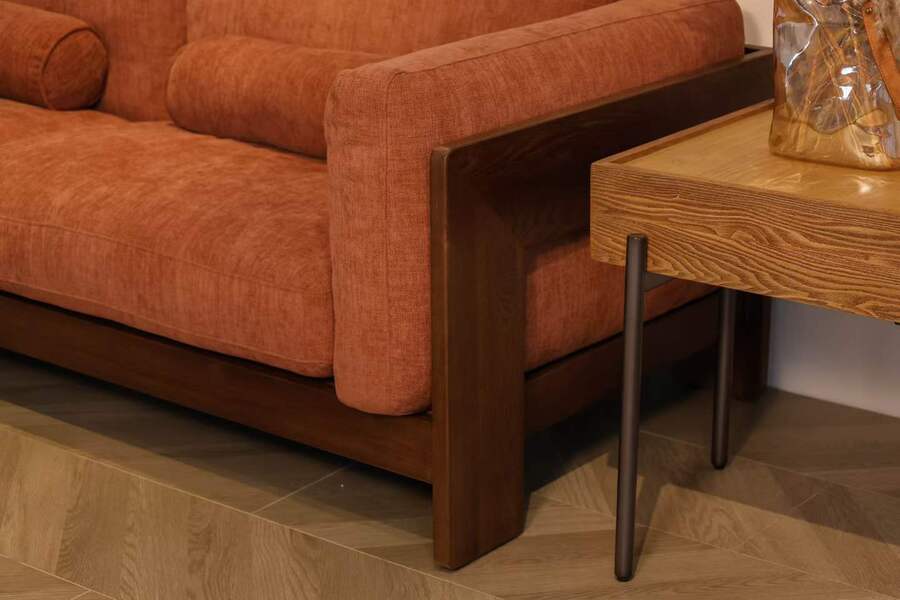
The design of the frame is notably “simple and generous.” It avoids the overstuffed, bulbous curves of traditional Victorian sofas or the aggressive, razor-sharp lines of industrial furniture. Instead, it utilizes clean, geometric lines—evident in the striking “L-shaped” armrests shown in the image. This open-side structure offers a contemporary aesthetic that makes the piece feel less like a heavy monolith and more like a sculptural object. By exposing the legs and arms, the wood frame creates a beautiful silhouette that allows light and space to flow around the furniture, making it ideal for modern apartments where airiness is highly prized.
Part II: The Tactile Poetry of Chenille Fabric
If the wood frame provides the soul, the Chenille fabric provides the skin. Chenille is a fabric that literally translates to “caterpillar” in French, a name derived from its unique construction which creates a fuzzy, tufted texture.
In the world of textiles, Chenille is a relative newcomer, rising to popularity in the 1990s, but it has quickly established itself as the hallmark of comfort. The fabric is woven using a specialized technique where short lengths of yarn are twisted together and then cut, creating a soft, velvety pile. This construction gives Chenille a gorgeous sheen that catches the light at different angles, much like velvet, but with a denser, coarser, and more durable finish.
When you touch this sofa, you are not met with the cold slickness of leather or the rough scratchiness of cheap linen; you are greeted by a lush, cozy warmth that begs to be touched. The Chenille fabric used here features a high thread density, which means it is resistant to pilling and fading. In the image, the sofa is clothed in a stunning rust-orange or terracotta hue. This color is a staple of the “Japandi” (Japanese-Scandinavian) and “Wabi-sabi” design movements—colors that bridge the gap between the earthy harvest of autumn and the energy of Mediterranean sunsets.
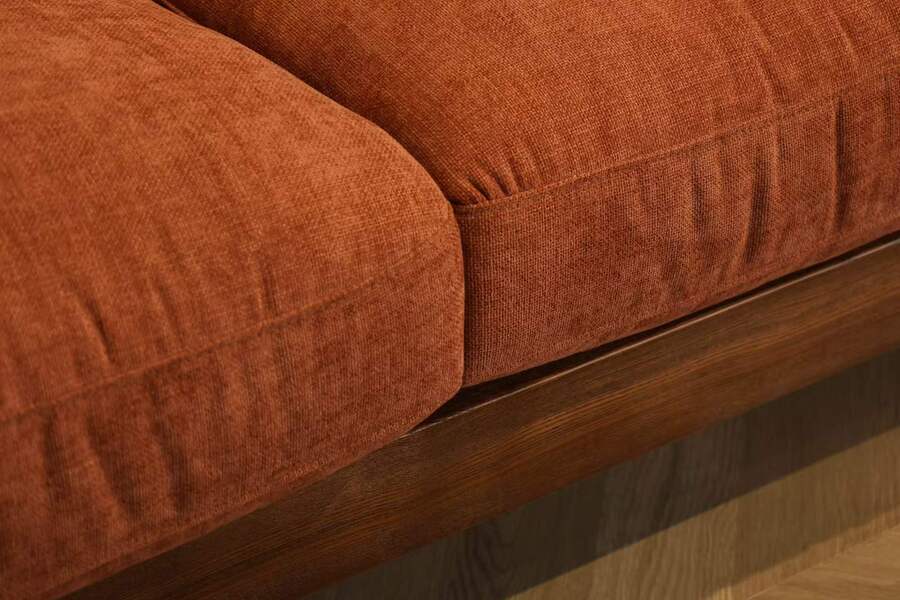
Crucially, this Chenille fabric is available in a wide array of multi-color options. This is a significant selling point, as color has the power to alter the entire psychology of a room.
- A Charcoal Grey Chenille offers a sleek, urban sophistication, perfect for a minimalist bachelor pad or a modern corporate loft.
- A Sage Green version breathes life and freshness into a space, ideal for a nature-inspired “biophilic” interior.
- A Beige or Cream Chenille creates an airy, expansive feel, best suited for small, cozy apartments.
- The Terracotta Orange shown here is the bold choice, designed to be the focal point of the room, injecting warmth and personality into an otherwise neutral palette of white walls and light floors.
Part III: The Science of Seating—High-Resilience Foam and Duck Down
A sofa is ultimately judged by its sit—the “sit” being the result of a complex engineering feat. The seat cushion of this sofa is a “sandwich” composition of high-resilience (HR) foam and soft duck down. This combination is often referred to as the “gold standard” of modern upholstery, solving the eternal dilemma of “too hard” versus “too soft.”
High-Resilience Foam is a polyurethane foam with a high density and an open-cell structure. Unlike standard cheaper foams that begin to lose their springiness after a few months, HR foam is engineered to bounce back immediately after pressure is released. It provides a firm, supportive base that preserves the natural curvature of the spine. It prevents that dreaded “sinking into the abyss” feeling that causes back pain and makes it difficult to stand up after a long movie night.
However, foam alone can feel unyielding and sterile. This is where the soft duck down layer comes into play. Duck down is a premium, natural insulator and filler known for its unmatched softness. By layering a generous envelope of duck down over the HR foam core, the sofa achieves a “cloud-like” initial sink. When you sit down, you feel the immediate softness of the down enveloping your hips and thighs, but as you settle deeper, the firm foam takes over to provide the necessary structural support.
This dual-layer system offers multiple benefits:
- Thermoregulation: Down allows for excellent airflow, preventing the seat from becoming stuffy during summer, while trapping body heat in the winter.
- Durability: The down acts as a buffer for the foam, reducing the direct friction against the base material, thereby extending the life of the cushion.
- Aesthetic Plumpness: Unlike synthetic fillers that flatten out, duck down tends to clump beautifully, giving the cushions a permanently plump, inviting shape. The “puff” factor is essential for maintaining that high-end, luxury look.
Part IV: The Pine Wood Coffee Table—A Study in Rustic Simplicity
Serving as the perfect counterpart to the sofa is the original wood-color Pine coffee table. Pine is one of the most beloved softwoods in the furniture world, prized for its light, honey-kissed color and its distinct, knotty texture.
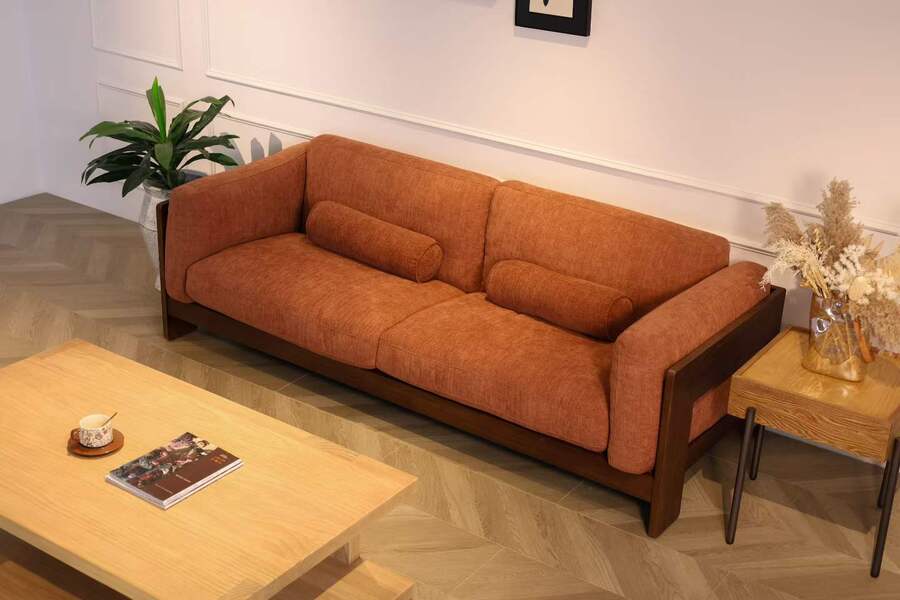
In the image, the coffee table features a minimalist, double-tier design. The top surface is a thick, robust slab, while a lower shelf provides convenient storage space for magazines, remote controls, or decorative baskets. The sides are held together by strong, sturdy plank legs that offer immense stability.
What makes this Pine table resonate so well in this setting is the stark contrast it creates. In color theory, when you place a deep, heavy color (like the walnut frame and rust sofa) next to a light, airy color (like the pine wood), it creates a sense of visual “breathing room.” The light pine table acts as a mirror, reflecting the ambient light from the room, preventing the heavy visual weight of the sofa from dominating the space.
Furthermore, Pine wood carries with it a sense of authenticity and sustainability. As a fast-growing tree species, pine is an eco-friendly choice, reducing the carbon footprint of the furniture. The natural knotting and grain variations of the pine wood are not considered defects but rather “personality traits,” aligning perfectly with the current interior design trend of “Wabi-sabi”—finding beauty in the imperfect and the natural. This table is not trying to be a flashy, highly-polished centerpiece; it is a humble, hardworking servant that will age gracefully with the home.
Part V: The Visual Dialogue—Composition and Placement
Looking closely at the composition of the photograph, the arrangement of the furniture speaks volumes about the philosophy of “simple yet generous.”
The sofa is placed against a crisp, white wall with a beautiful wainscoting or molding detail, adding a touch of classic architectural interest. Above the sofa hangs a simple, high-contrast framed artwork, which provides a focal point for the eyes. The presence of a tall, leafy green plant (resembling a Dracaena or similar) in the corner introduces a splash of bio-organic life, softening the hard edges of the wood and the angular geometry of the sofa.
The Pine coffee table acts as the anchor of the living area. The open gap between the table’s lower shelf and the floor allows the herringbone-patterned wooden floor to remain visible, elongating the room and making it feel larger. On the table, a delicate ceramic teacup and a well-curated magazine are placed, suggesting a lifestyle of leisure, slow living, and intellectual engagement.
On the right side, a matching side table with metal legs and a wooden top holds a clear glass vase filled with dried Pampas grass and wheat. This arrangement is the epitome of bohemian chic. The dried flora adds verticality and texture that complements the fuzzy chenille fabric perfectly. The entire scene is a masterclass in balance: the dark frame versus the light table, the solid block of the sofa versus the slender legs of the side table, the soft fabric versus the rigid floor.
Part VI: Craftsmanship and Durability—Investment for the Future
In an era of “fast furniture” where items are designed to fall apart within a few years, this set represents a shift towards “slow furniture.” The combination of solid Ash wood, high-density foam, and premium Chenille makes this not just a purchase, but an investment.
The Walnut-toned Ash wood is treated with a moisture-resistant, scratch-resistant lacquer. This means that the daily wear and tear of life—coffee spills, pet claws, or the occasional fumble of a remote control—will not immediately damage the finish. The Chenille fabric is equally resilient, designed to withstand high-traffic usage. For families with children or pets, the Chenille’s tight weave prevents dirt from penetrating too deeply, allowing for easy spot-cleaning.
The durability is also evident in the structural joints. The frame construction likely utilizes traditional mortise-and-tenon joinery or heavy-duty metal brackets, ensuring that the sofa doesn’t develop that annoying “wobble” that plagues cheap furniture. This durability creates a legacy; this is the sofa you can keep for ten, fifteen, or even twenty years, evolving with your family’s style through different decorative eras.
Part VII: Styling the Multi-Color Chenille for Different Seasons
Because the Chenille fabric offers a multi-color palette, this sofa is infinitely adaptable to seasonal changes.
In Spring, one might choose a light Seafoam Green or Sky Blue chenille version. Paired with the light pine table and some white tulips, the room transforms into a refreshing, airy garden. The duck down in the cushions ensures that even in the cool spring air, the seating remains invitingly warm.
In Summer, a Crisp White or Sand Beige Chenille is ideal. By changing the throw pillows to bright yellows or navy blues, you can create a coastal, Mediterranean vibe. The breathability of the down filling becomes a major advantage during warmer months.
In Autumn, the Terracotta or Mustard Yellow Chenille shown in the picture is perfect. It mirrors the falling leaves outside, creating a cozy, hygge-inspired cocoon for rainy afternoons. The Walnut-toned wood frame complements the warm autumn colors, allowing you to enjoy the season from the comfort of your living room.
In Winter, a Deep Charcoal or Plum color variant creates a nest-like feeling. The combination of the textured Chenille and the high-resilience foam plus down acts as thermal insulation, keeping the body warm even when the home heating is at a moderate level.
Part VIII: Feng Shui and Psychological Impact
Beyond the physical, the arrangement of these two pieces has a profound impact on the psychological state of the inhabitants. Feng Shui principles emphasize the importance of stability and grounding in the living room.
The heavy, solid base of the sofa represents the “Mountain” element—providing stability, support, and a sense of safety. The light, airy pine table represents the “Water” or “Air” element—facilitating flow and ease. When these two energies are balanced, as they are in this setup, it fosters a living space that is both relaxing and conducive to socializing.
The visual simplicity of the design reduces cognitive load. In a chaotic world, coming home to furniture with clean lines and uncluttered surfaces helps to quiet the mind. The tactile variety—the smooth lacquer of the wood, the velvety fuzz of the Chenille, and the rough knots of the pine—engages the senses in a positive, grounding way, promoting mindfulness and presence.
In conclusion, the pairing of the Walnut-toned Ash wood Chenille sofa and the Pine wood coffee table is more than just a stylistic choice; it is a declaration of values. It values craftsmanship over mass production, comfort over ostentatious display, and longevity over disposable trends.
The sofa, with its robust frame, sumptuous multi-color Chenille, and the perfect marriage of high-resilience foam and soft duck down, offers an embrace that you look forward to after a long day. The Pine coffee table, with its rustic simplicity and functional dual-tier design, provides the perfect stage for your coffee cups, books, and life’s little treasures.
Together, they create an atmosphere of “simple and generous”—a space that is unpretentious, warm, and deeply human. Whether you are hosting a lively gathering of friends or seeking a quiet corner to read alone, these pieces adapt to your life, not the other way around. Investing in this set is not just buying furniture; it is cultivating a sanctuary where the weary soul can find rest, and where the true beauty of a well-lived life can unfold.
-
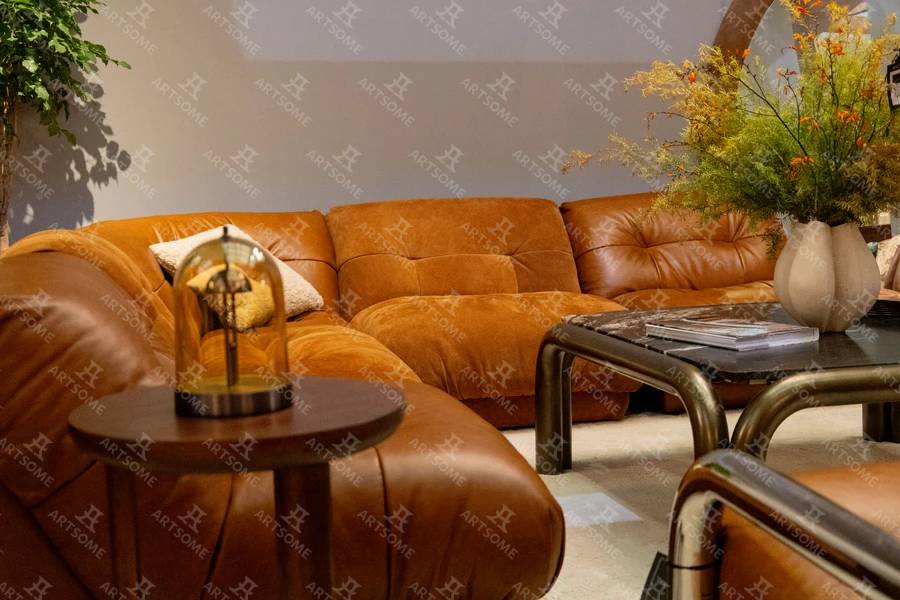
The Art of Tactile Contrast: Elevating Modern Living with a Modular Waxed Leather & Suede Sofa
2026-10-15 -
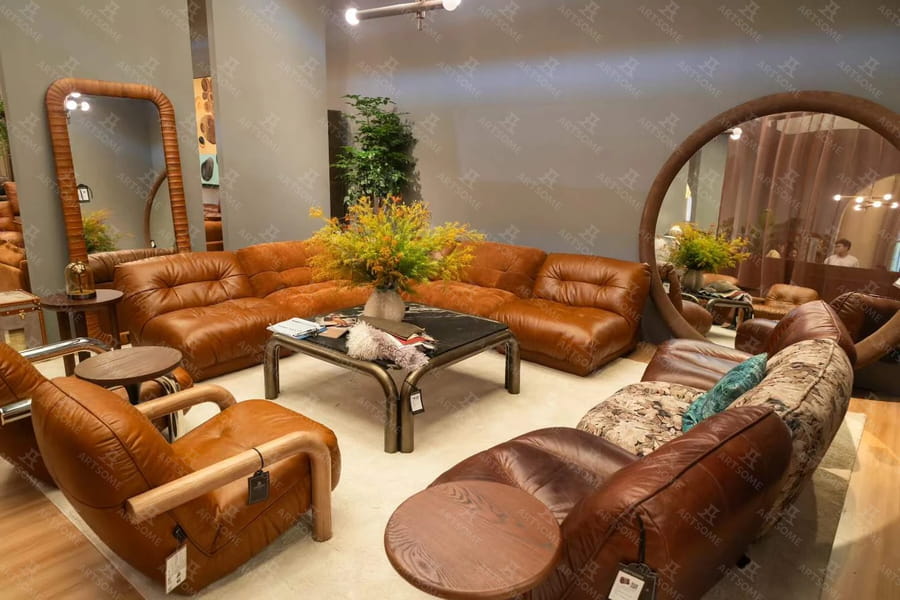
The Exhibition – Canton Fair 2026 (October)
2026-10-09 -
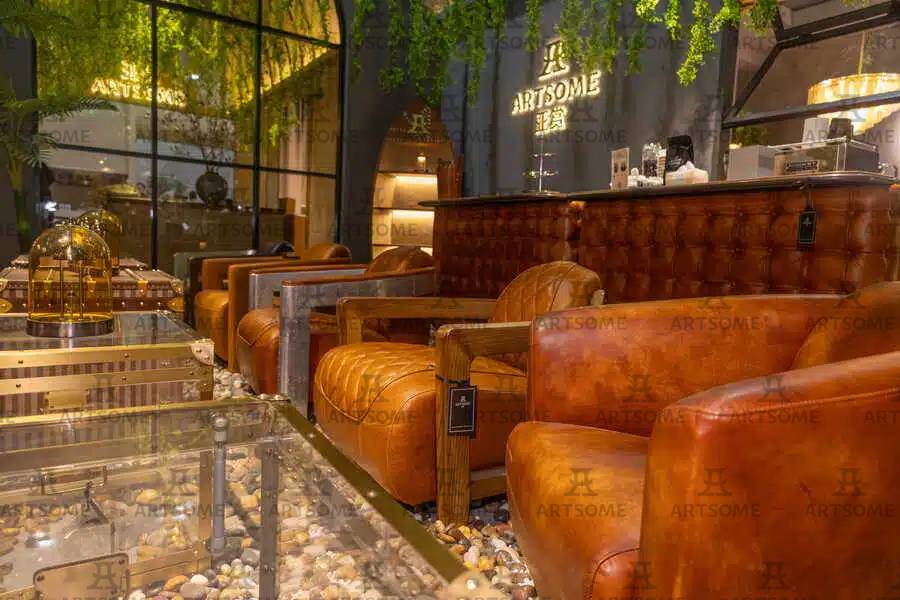
The Epitome of Vintage Leisure: A Multi-Sensory Design Odyssey in an Industrial Botanical Bar
2026-08-21 -
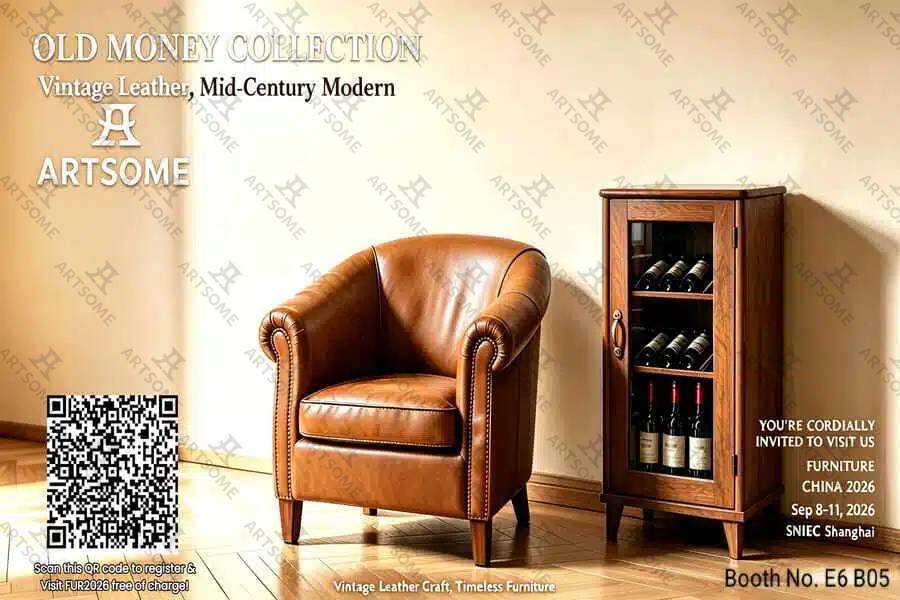
The Exhibition –FURNITURE CHINA 2026
2026-08-01 -
The Art of Balanced Living: The Walnut-Toned Ash Wood Chenille Sofa and the Natural Pine Coffee Table
2026-07-25 -
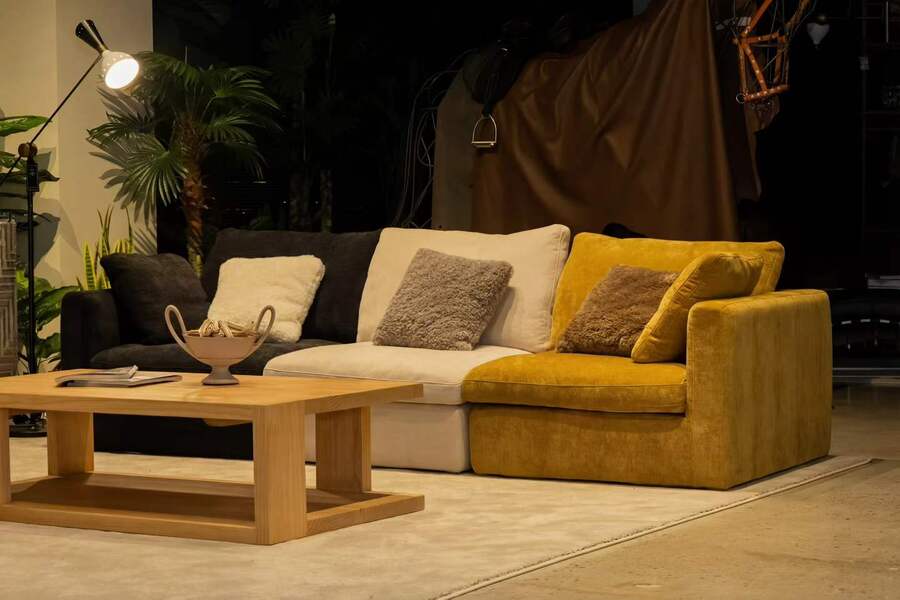
The Symphony of Design and Modular Comfort: Exploring the Chenille Color-Block Sofa and Pine Coffee Table
2026-07-15 -
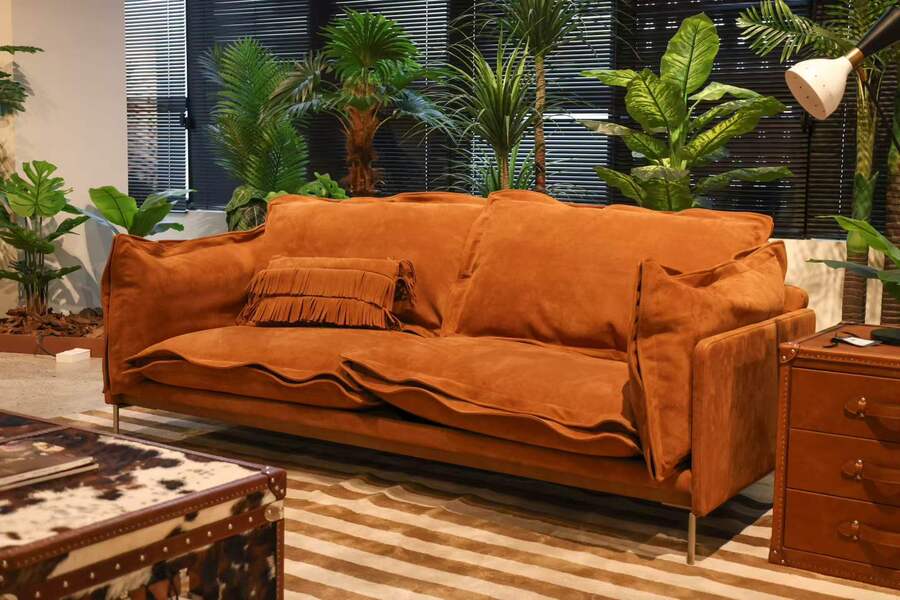
Embracing Organic Luxury: The ARTSOME Suede Sofa Unraveled
2026-06-27 -
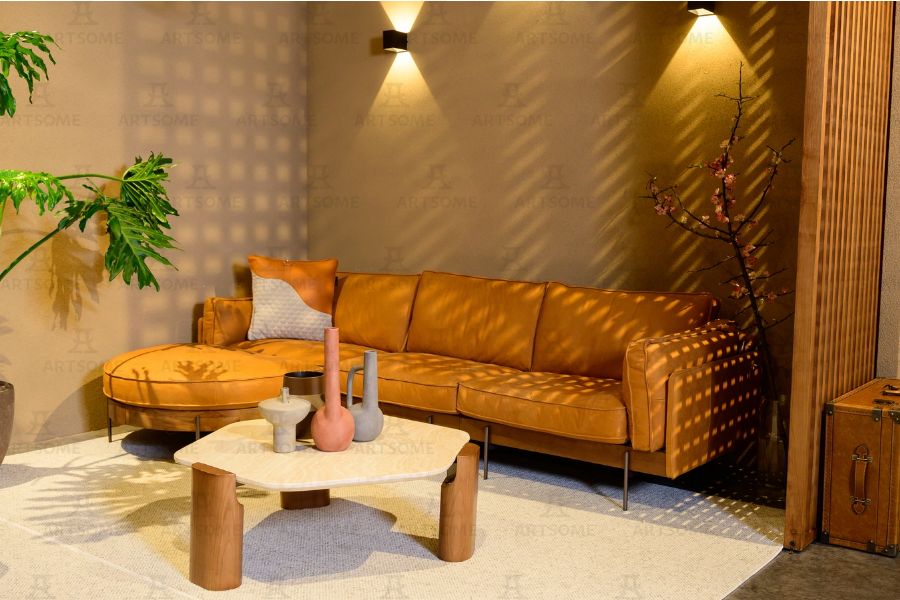
The Tangible Poetry of Modern Dwelling: An Analytical Study of a Leather Sofa and Travertine Coffee Table
2026-06-22 -
The Exhibition – Canton Fair 2026 (April)
2026-04-14 -
Redefining Flexibility: The Modular Sofa That Adapts to Your Life
2026-02-04
-

Egg Chair & Swan Chair, the Iconic Symbol of Scandinavian Design
2023-11-13 -

Vanity Fair Sofa, the Luxurious and Stylish Furniture
2023-10-04 -

A Guide for Modern Metal Furniture
2023-08-15 -

Introduction of Modern Furniture Material — Acrylic and Glass
2023-07-15 -

The Structure & Materials of Artsome Leather Sofa
2022-12-16 -

Modern Furniture Finishes & Furniture Care Tips
2022-11-14 -

How to Design the Modern Furniture Sofa
2022-10-02 -

Tips for Looking for a Quality New Bed
2022-09-13 -

Tips for Mid-Century Modern Furniture Placement
2022-08-19 -

Types & Identifying Tips of Cowhide Leather
2022-08-06